
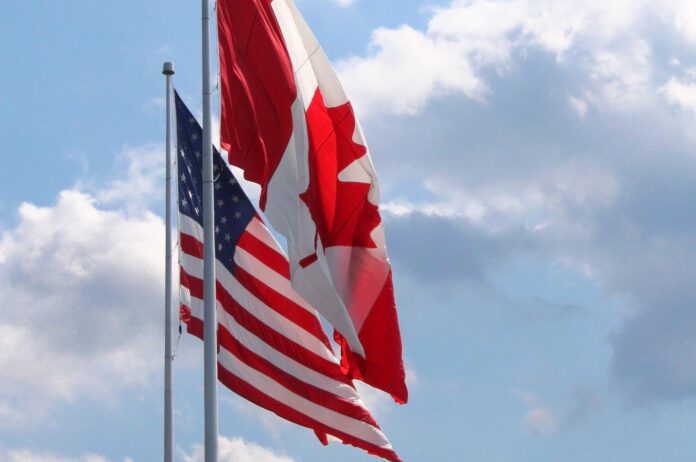
The Ontario government is expanding eligibility under the Protect Ontario Financing Program to cover alcohol, dairy and motorcycle sectors, in response to the United States government’s latest import ban on those Canadian goods.
The province says the expansion reflects its adaptive approach to ongoing U.S. trade actions, aiming to give businesses the capital support needed to withstand operational pressures, keep workers on the job and reshore supply chains. The program continues to support businesses already affected by existing Section 232 tariffs on steel, aluminum, copper and automotives, as well as goods tariffed under Section 338.
“As the U.S. administration continues to threaten Ontario’s leading industries, our government remains steadfast in its commitment to protect the economy, defend our workers and lay the foundation for a strong and stable future,” said Vic Fedeli, minister of economic development, job creation and trade. “By broadening eligibility for our relief programs, we’re ensuring Ontario businesses are not only equipped to navigate the challenges of present day but can take the necessary steps to reduce long-term reliance on a single market and diversify their international exports.”
The import ban builds on a series of trade actions by the U.S. government against Canadian exports, including an additional 50 per cent tariff on a range of products that took effect Sept. 15. The province says it moved quickly to broaden eligibility for its trade programs, allowing newly affected businesses to access loans and grants to help them diversify into new markets and reshore supply chains away from the U.S.
The $1-billion Protect Ontario Financing Program provides loans that can be used for costs such as payroll, lease payments and utilities. The government is also expanding eligibility under the $150-million Ontario Together Trade Fund, which provides grants or loans to small and medium-sized businesses to help them expand interprovincial trade and reshore supply chains.
“Our government is taking decisive action to protect Ontario workers, businesses and communities from ongoing U.S. trade actions that are taking direct aim at our economy,” said Peter Bethlenfalvy, minister of finance. “By diversifying exports, unlocking free trade within Canada and providing targeted supports for trade-impacted sectors, we are strengthening Ontario’s economic resilience and competitiveness.”
The province says it continues to use retaliatory measures, including restrictions on U.S. alcohol and procurement, while working to expand trade within Canada. Earlier this year, Ontario co-led an operating agreement with eight other provinces and territories to allow direct-to-consumer sales of alcoholic beverages between jurisdictions for personal use.
Ontario says it led more than 60 targeted export missions in 2025, with nearly 70 more projected by the end of 2026, as part of efforts to diversify the province’s trade beyond the U.S. market.
Under Section 232 of the U.S. Trade Expansion Act of 1962, the U.S. president can place tariffs on goods deemed to threaten national security; the U.S. has used that authority to tariff steel, aluminum, copper and autos, among other products. Starting in August, the U.S. invoked Section 338 of the Tariff Act of 1930 for the first time, imposing 50 per cent tariffs on a broad range of Canadian goods, before expanding those restrictions to include tariffs and import bans on alcohol, dairy products and motorcycles, effective Monday.