
Election Day in Chatham-Kent is Monday, Oct. 26, with polls open from 10 a.m. to 8 p.m.
More information is available at ckelection.ca.
The Sydenham Current has sent a series of questions to all mayoral, Ward 4 and Ward 5 candidates who have made their contact information publicly available. The responses from candidates who chose to participate are listed below.
The third question posed to candidates was focused on setting the priorities for the next term:
Chatham-Kent is developing a new multi-year Corporate Strategic Plan, expected to come before council in spring 2027. What priorities and guiding principles should shape the next term of council? What should remain from the previous plan, and what do you believe is missing or needs greater attention?
MAYOR
Michael Bondy
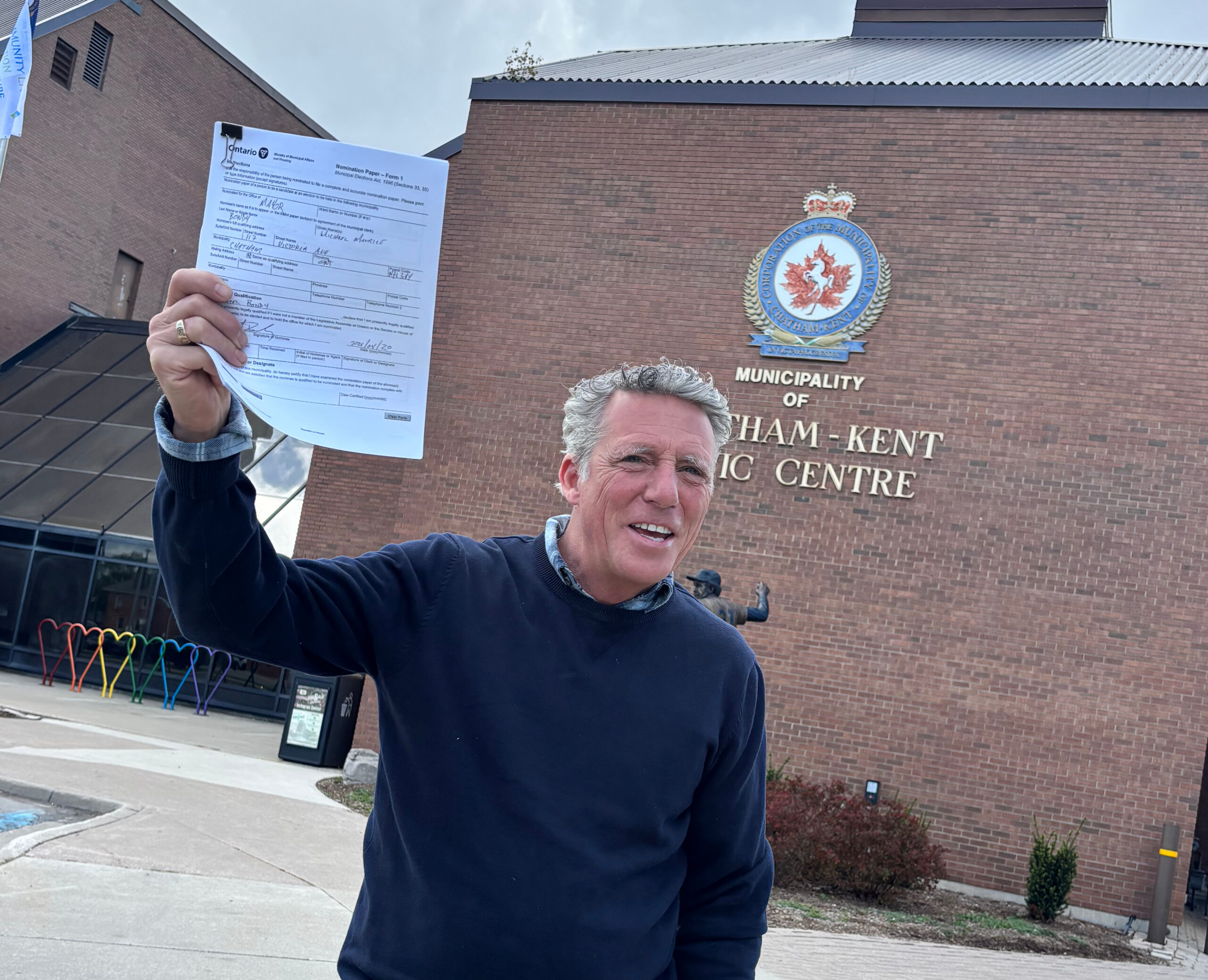
“The next term of Council should prioritize several issues. We need to reign in tax increases. We have to focus on restoring trust in local government. Housing and affordability also need to be front and centre. Most importantly we need the next Council to be open and transparent to the taxpayers. This trust has been eroded over the last several years and that creates a lack of cooperation between the citizens and their local officials.”
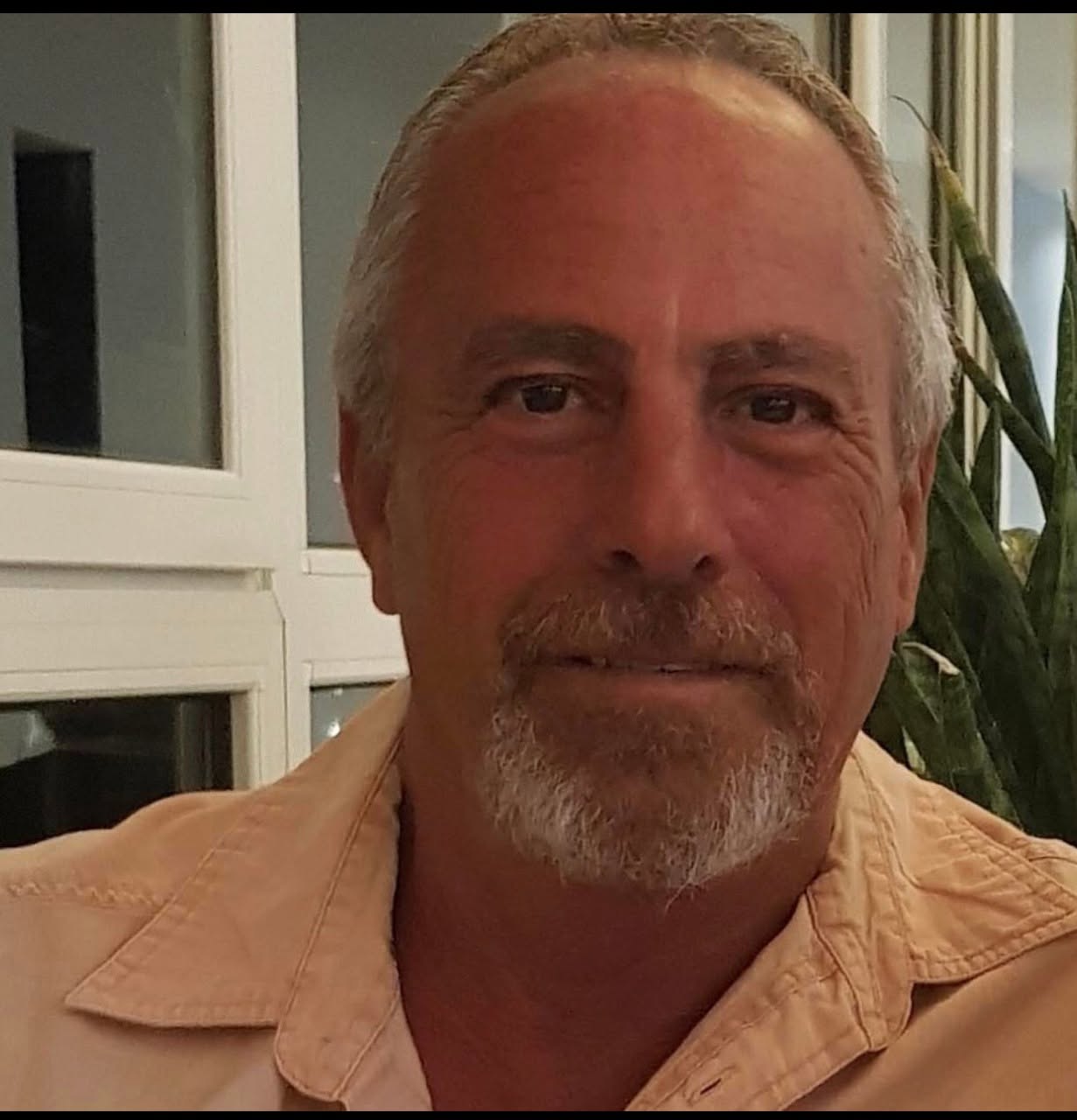
Randy Hope
“The next strategic plan should build on what remains important from the previous one: economic development, housing, infrastructure, community safety, recreation and quality of life. These priorities still matter, but they need a clearer connection to measurable results.”
“I would put three priorities at the centre of the next term: build the next economy, make housing happen and make every community visible.”
“That means attracting good jobs, supporting local businesses, improving housing availability and affordability, and ensuring smaller communities receive fair consideration when infrastructure and services are planned.”
“What needs greater attention is accountability and execution. Residents should be able to see what a project will cost, who is responsible, when decisions are expected and whether the promised results are being delivered. Major projects should have complete business cases, including long-term operating costs and risks, before commitments are made.”
“My CK Service Accelerator proposal would help make municipal information and processes easier to understand, while a public infrastructure map would help residents follow projects and priorities across the municipality.”
“As Mayor, I would work with Council and municipal staff to turn the strategic plan into a practical public commitment—not simply a document that gets approved and forgotten.”
“We need priorities residents can understand, progress they can measure and a municipality prepared to change course when the evidence shows something isn’t working.”
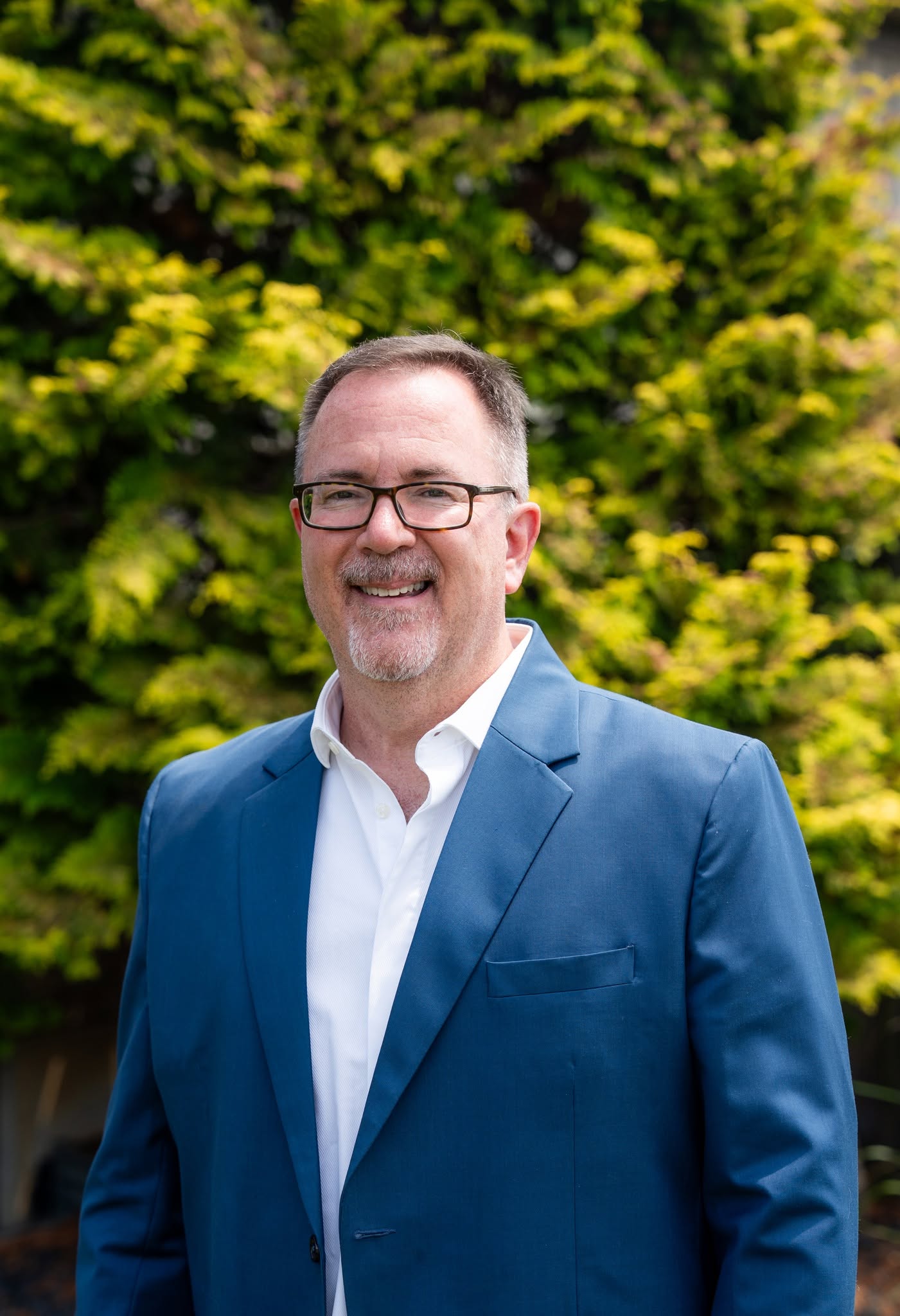
Darrin Canniff
“The new multi-year Corporate Strategic Plan should be a dynamic document with a focus on action rather than
reaction.
Guiding principles:
– tax dollars are finite and must deliver measurable value
– investment dollars and opportunities must be spread equitably across all communities in CK
– accurate and updated information should be readily available to all residents
Priorities:
– a continued focus on growth in employment and housing
– finding solutions that reduce the impact of homelessness and mental health and addiction issues in our communities
– strategic investments in infrastructure projects that are necessary to attract businesses and encourage development
– pro-active management of our extensive infrastructure assets to reduce the risk of ballooning costs down the road
– maintaining strong fiscal management practices and policies that have resulted in our current debt level near $0 and recognition that CK is in the top 5% in the financial health index of all communities across Ontario
Focus element:
– Pursue private-public partnerships and sponsorships that focus on the development of additional affordable/market housing and provide support for infrastructure projects that encourage and accelerate development”
WARD 5 – WALLACEBURG
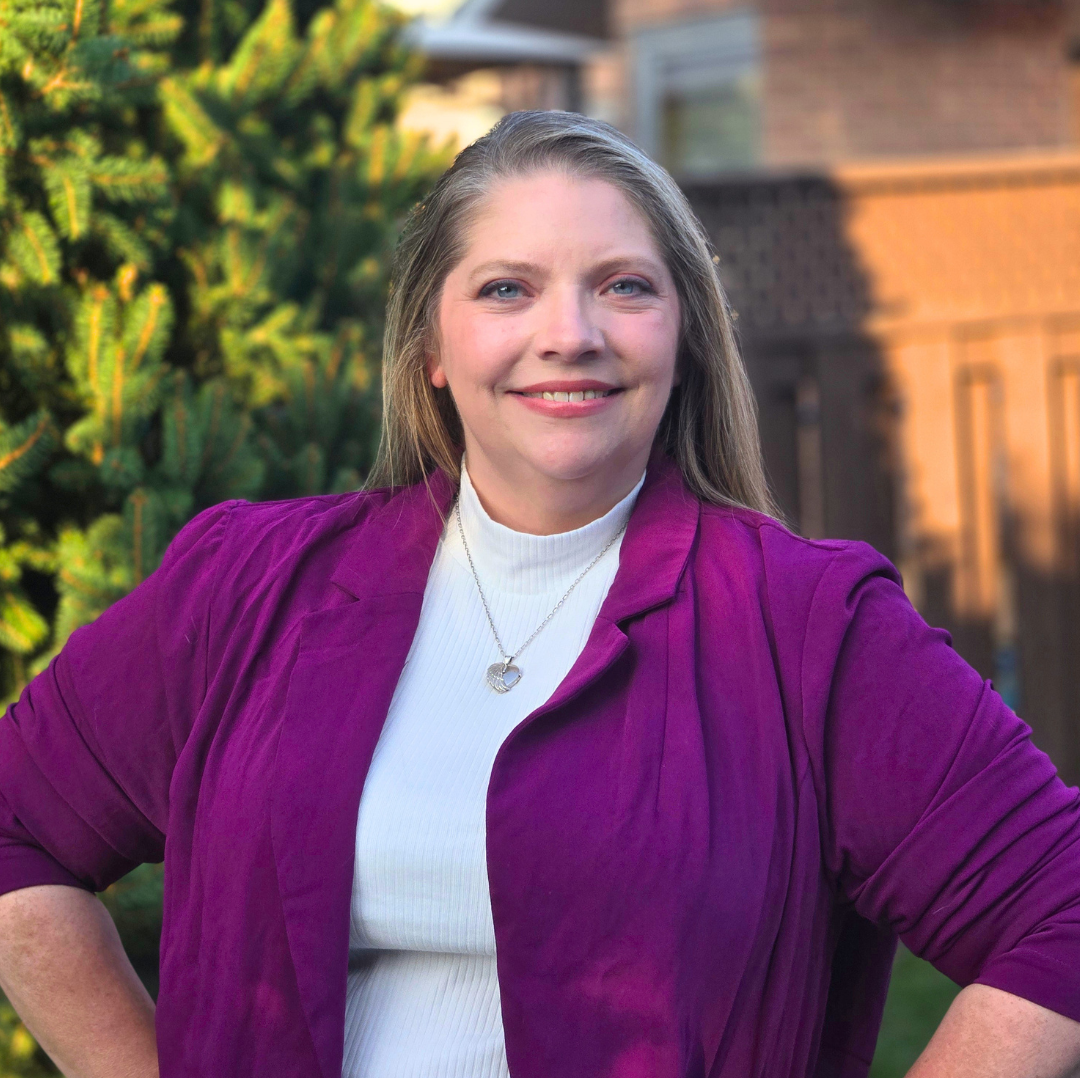
Victoria Stewart
“I recently completed the development of a new strategic plan for the Active Lifestyle Centre, and that experience reinforced something I feel strongly about: a strategic plan should be a working document that guides decisions, not simply a collection of goals that sound good on paper.”
“Chatham-Kent’s previous plan established important priorities around growth, community wellness, service delivery, public engagement, and financial sustainability. I would retain those broad directions while strengthening several areas.”
“One area that needs greater attention is the connection between infrastructure planning, economic development, and financial sustainability. Chatham-Kent maintains an extensive network of roads, bridges, drainage systems, and other infrastructure. Under the Ontario Community Infrastructure Fund, the Province’s funding formula calculates approximately $29 million annually for Chatham-Kent, but a provincial cap limits our allocation to $10 million. That leaves a roughly $19 million annual funding gap that places additional pressure on municipal taxpayers.”
“I would make continued advocacy for fair infrastructure funding an explicit priority. Locally, we also need to identify which assets require repair or replacement, prioritize investments based on condition, safety, and long-term costs, and plan ahead rather than waiting for expensive emergencies. That planning should account for future development and climate-related risks, including flooding, severe weather, and changing drainage needs. Good infrastructure planning is both an economic development issue and a financial responsibility.”
“Access to services across our communities also deserves greater emphasis. Chatham-Kent covers a large geographic area, and a service being available somewhere in the municipality does not mean it is accessible to everyone. Transportation, healthcare access, recreation, and community supports need to be considered from the perspective of residents throughout Chatham-Kent, not just those living near major service centres.”
“Meaningful community participation should be another priority. Residents should have opportunities to provide input before decisions are effectively made, and they should understand how that input influenced the outcome. I would also be interested in examining how advisory committees and community advocacy groups could provide meaningful local perspectives without creating unnecessary bureaucracy.”
“Another priority should be strengthening how Chatham-Kent works with other governments and community partners, particularly on issues that cross different areas of responsibility.”
“Homelessness, mental health, addiction, and community safety are closely connected and require a coordinated, long-term approach. We need to look at where people are getting stuck in the system, whether that’s a lack of transitional or supportive housing, limited access to treatment, or inadequate income supports. A strategic plan should identify the gaps Chatham-Kent can address, establish clear responsibilities with community partners, and set measurable goals so we can evaluate whether our efforts are actually improving conditions. Where the barriers are provincial, Council should advocate for specific changes and resources rather than simply accepting that the municipality has limited authority. Residents deserve safer communities, and people experiencing homelessness deserve a realistic pathway toward stability. Those goals should support one another.”
“Strengthening relationships with Indigenous communities should also be an ongoing priority. Land acknowledgements are important, but they should be the beginning of a relationship, not the extent of it. That means taking the time to understand the history and experiences of Indigenous communities, listening to the priorities they identify for themselves, and engaging early when municipal decisions may affect them. It also means following through on commitments and being accountable for the progress we make together. Rather than assuming we know what Indigenous communities need, Council should focus on building respectful relationships that support ongoing dialogue and meaningful partnerships.”
“My guiding principles would be:
Transparency: Residents should understand why decisions are made, what alternatives were considered, and what they will cost. For major projects, they should also be able to see progress, timelines, budget changes, and explanations when plans change.
Accountability: Council should establish measurable goals, report regularly on results, and be prepared to change course when something isn’t working.
Responsible spending: I won’t promise that taxes will never increase. What I will commit to is examining spending carefully, planning for long-term costs, pursuing grants and other funding opportunities, and looking for efficiencies before placing additional burdens on taxpayers. I would also advocate for provincial and federal governments to adequately fund the services and responsibilities that fall within their jurisdiction, rather than allowing those costs to be continually downloaded onto municipalities.
Evidence-based decisions: Decisions should reflect reliable information, professional expertise, and the experiences of the people affected, rather than assumptions or political pressure.
Collaboration: Council needs productive relationships with residents, staff, businesses, community organizations, Indigenous governments, and other levels of government to address challenges that no single organization can solve alone.”
“Finally, the plan needs a clear implementation framework. Priorities should be connected to budgets, assigned responsibilities, realistic timelines, measurable outcomes, and regular public reporting.”
“I’ve seen how much work goes into developing a strategic plan. The real measure of its success is whether it leads to meaningful improvements people can actually see.”
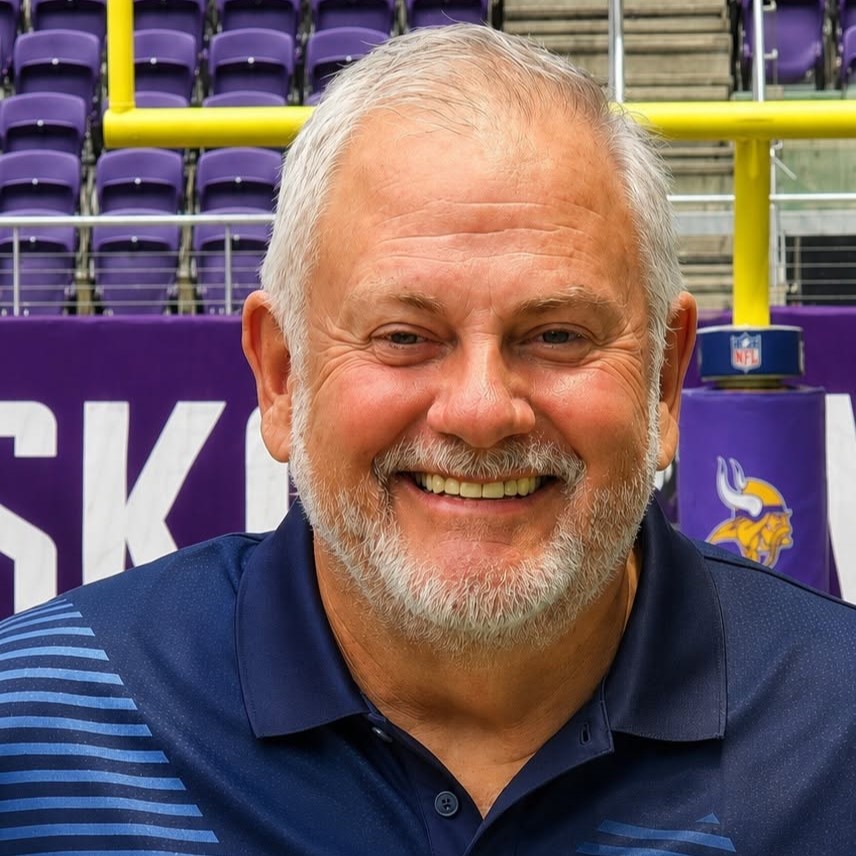
Jim Blake
“As I wrote yesterday, we largely know the issues facing the community. Before we begin shaping a new multi-year plan, I’d like to see a list of achievements from a staff perspective and then compare it with how the general community believes we are doing. If we’re setting goals for the sake of goal-setting with no realistic chance of achievement, that is time and money wasted. I want to determine if we have entered the “paralysis by analysis” stage of government whereby we measure progress by plans we’ve written and not by results we’ve achieved. We need to unlock the talent of municipal staff to achieve goals that are outward-facing (community) and not inward-facing (the bureaucracy).”

Loree Bailey
“I believe the next council’s priorities should be guided by accountability, affordability, transparency and meaningful community engagement.”
“Economic development, infrastructure, housing and community wellness should remain priorities. However, I would like to see greater emphasis on measurable results and responsible financial management.”
“Residents are concerned about the rising cost of living and the increasing demands on their household budgets. Municipal council has a responsibility to recognize those pressures when making spending decisions.”
“I would like to see council establish clear objectives for major investments and regularly report on whether those objectives are being achieved.”
“I also believe greater attention needs to be given to the individual communities within Chatham-Kent.”
“In my opinion, Wallaceburg has not always received the attention it deserves when it comes to investment and development. I would advocate for a more transparent approach to determining how resources are allocated across the municipality.”
“Community consultation should also be an ongoing process, not something that happens only when major decisions are approaching.”
“I believe residents deserve to understand why decisions are being made, how their tax dollars are being spent and what results they can expect.”
“My approach would be to listen carefully, ask difficult questions, examine the evidence and make informed decisions that serve the long-term interests of our communities.”
Zac Nicholson
“Administration is currently managing the Request for Proposal (RFP) process for the new Corporate Strategic Plan, but ultimate decision-making authority rests with Council to approve both the RFP and the final strategic framework. In municipal governance, Council directs Administration by establishing term priorities and guiding principles rather than taking direction from administrative staff. Because Council directly represents the community, it must ensure that the proposed Corporate Strategic Plan fully reflects and aligns with the genuine wants, needs, and expectations of Chatham-Kent residents.”
“While the priorities and guiding principles from the previous strategic plan offer reasonable baseline goals, Council must place a significantly stronger, more proactive focus on driving economic prosperity. Economic development cannot be concentrated in just one area within the municipality. For Chatham-Kent to achieve sustainable, long-term growth, economic development initiatives, strategic investments, and municipal resources must be actively and equitably distributed across all wards and communities.”
Steven Burritt
“We need to look at the budget overall and see what the needs of each community are. We need a plan and timeline for infrastructure that is clear, precise, and transparent to the residence. They need to see us working for them and results of their tax dollars being spent. We should look into what business we can attract in our area and the benefits they can offer us. We should be looking to use every option and resource we have and plan for the next four yours and beyond. Wallaceburg and surrounding area has not only the industry side to grow but we can use our water ways to promote tourism or large diverse land to bring in outdoor activities such as fishing, hunting, camping, and all other aspects. Once people see what Wallaceburg and other communities have to offer they may want to invest or bring outside money to our community and that helps everybody. I want a multi-year corporate strategic plan that includes all communities and resources being used in the best possible way for everybody.”
Chris Young
“The priorities for the next term of council to me are: The growth projections and Capital and Operating budgets must be integrated into one coherent and transparent document that delivers the goals and Objectives of a fully integrated Chatham-Kent. Prioritizes must be identified and agreed upon and proper funding secured to maintain and strengthen resources and infrastructure.”
“I want to continue to see the community grow, new investment secured, Healthy prosperous job creation, new homes built and families choosing to locate or relocate here in search of a quality of life that cannot be found anywhere else in Ontario.”
“Community Safety and Well Being continues to be a priority for all residents and cannot be lost sight of, new technologies and new and different ways of ensuring this continues must be examined and implemented.”
“What needs greater attention: The strategic housing plan needs to be flushed out and put into action, no more consultants agree upon a strategy to identify the sources of funds and put it into action.”
“Infrastructure and Asset Revitalization. Holding back regular annual maintenance only costs more in the long run. We need to examine where money is no longer required and shift those dollars to new programs and new maintenance plans. A complete inventory of infrastructure and assets needs to be developed and World Class Asset Management Practices be initiated to prioritize investment , schedule lifecycle replacements and remove the speculation and cherry picking from the list.”
Bill Wolsing
“We need to look at the budget overall and see what the needs of each community are. We need a plan and timeline for infrastructure that is clear, precise, and transparent to the residence. They need to see us working for them and results of their tax dollars being spent. We should look into what business we can attract in our area and the benefits they can offer us. We should be looking to use every option and resource we have and plan for the next four yours and beyond. Wallaceburg and surrounding area has not only the industry side to grow but we can use our water ways to promote tourism or large diverse land to bring in outdoor activities such as fishing, hunting, camping, and all other aspects. Once people see what Wallaceburg and other communities have to offer they may want to invest or bring outside money to our community and that helps everybody. I want a multi-year corporate strategic plan that includes all communities and resources being used in the best possible way for everybody.”
NOTE: Mayoral candidates Lauren Anderson, April Colby and Ryan Gow did not send answers to this question. Contact information was not available for Nelson Burm.
Ward 5 – Wallaceburg candidates Brendan Authier, Dave Brunditt, Jason Debuck, Brent DeNure and David Hyatt did not send answers to our questions. Contact information was not available for William Arends. Mark Childs responded by reiterating he is “no longer running” (more details, here.)
Ward 4 – North West Kent candidates John Cummings, Kirk Hooker and Rhonda Jubenville did not send answers to our questions.