

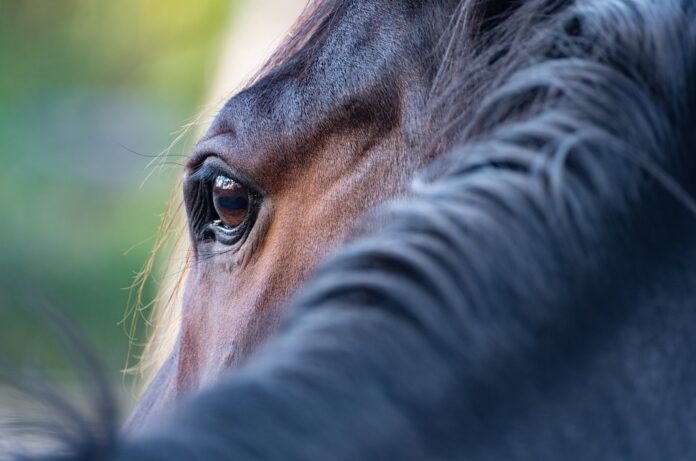
Lambton Public Health is reminding residents to take precautions against mosquito bites following the confirmation of a case of Eastern equine encephalitis virus (EEEV) in a local horse, reported by the Ontario Ministry of Agriculture, Food, and Agribusiness on Friday, September 20.
“While EEEV is not a reportable disease in Ontario, and no mosquito traps have tested positive for it in Lambton County, local surveillance has confirmed the presence of West Nile virus (WNV) in 2024,” public health officials say.
“Both a mosquito trap and a local resident have tested positive for WNV in the region. Like WNV, EEEV is commonly found in wild birds and mosquitoes but can spread to horses and, in rare cases, humans through the bite of an infected mosquito. It is important to note that humans cannot contract EEEV from another horse or person.”
Horses can be vaccinated against EEEV, but there is no vaccine for humans, public health officials say.
“Though rare, human cases of EEEV can lead to severe neurological complications or even death,” public health officials say.
“Lambton Public Health advises that the best protection against both EEEV and WNV is to prevent mosquito bites.”
Residents are encouraged to take the following steps to reduce their risk:
– Avoid areas with high mosquito populations.
– Take extra precautions from dusk to dawn when mosquitoes are most active.
– Wear protective, light-colored clothing.
– Use insect repellents containing DEET or Icaridin, following label instructions.
To minimize mosquito breeding areas, residents should:
– Drain standing or stagnant water on their property.
– Remove old tires and turn over pails, toys, and wheelbarrows.
– Change water in bird baths at least once a week.
– Keep eavestroughs clear to prevent trapped water.
For more information about EEEV, visit the Government of Ontario website.