

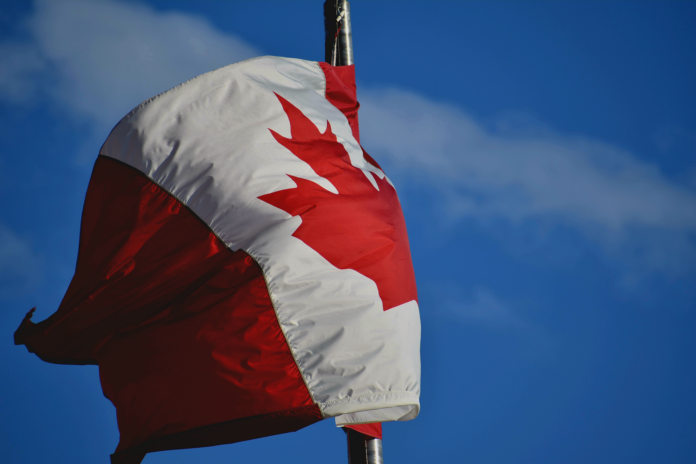
The Government of Canada is warning travellers of widespread global disruptions and heightened security risks linked to ongoing tensions in the Middle East, noting that impacts may be felt internationally even outside the region.
According to federal travel guidance, the situation is affecting global fuel supply, which in some destinations could result in shortages or temporary rationing measures. Officials say this may also impact local transportation systems, access to goods and services, and in some cases travellers’ ability to remain in a country as planned.
The advisory warns that flight disruptions are also possible, with delays, cancellations and rerouting occurring regardless of destination. Longer travel routes, increased costs for flights, accommodations and meals, and reduced flight availability may also occur. Authorities caution that changes can happen with little or no notice and recommend checking with airlines or travel providers before departure and return travel to Canada.
Security risks may also increase in some countries due to heightened tensions, including a higher likelihood of demonstrations and possible targeted attacks. Travellers are being urged to exercise increased caution in public areas such as tourist sites, places of worship, embassies and consulates, and locations linked to the United States or Israel.
Officials are advising travellers to avoid demonstrations and large gatherings, remain aware of their surroundings and follow instructions from local authorities.
The Government of Canada also stressed that decisions to travel abroad, particularly to destinations where non-essential travel is discouraged, are the sole responsibility of the traveller. The advisory notes that Canadians should not rely on government assistance if they become stranded abroad, as support may be limited.
Travellers are being encouraged to consult official travel advisories for their destinations and any transit points, confirm insurance coverage for trip cancellation and interruption, and prepare contingency plans in case of delays or sudden changes.
Recommended precautions include bringing extra medication in case of extended delays, ensuring access to additional funds for unexpected accommodation and meal costs, and registering trips through the Registration of Canadians Abroad service so officials can make contact in an emergency.
Canadians living or retired abroad are also being advised to monitor local news closely, keep travel documents up to date and accessible, and contact local immigration authorities if visa extensions are needed due to unexpected travel delays.