
By Wesley McDonald – Special to the Sydenham Current
With Lake Erie algae growing ever more concerning, especially in the wake of Toledo’s 2014 “do not drink, do not boil” advisory, which was in fact the result of a harmful algal bloom, the topic of phosphorous laden runoff has been getting more and more attention lately.
Projects to manage and study phosphorous have also been garnering more and more funding.
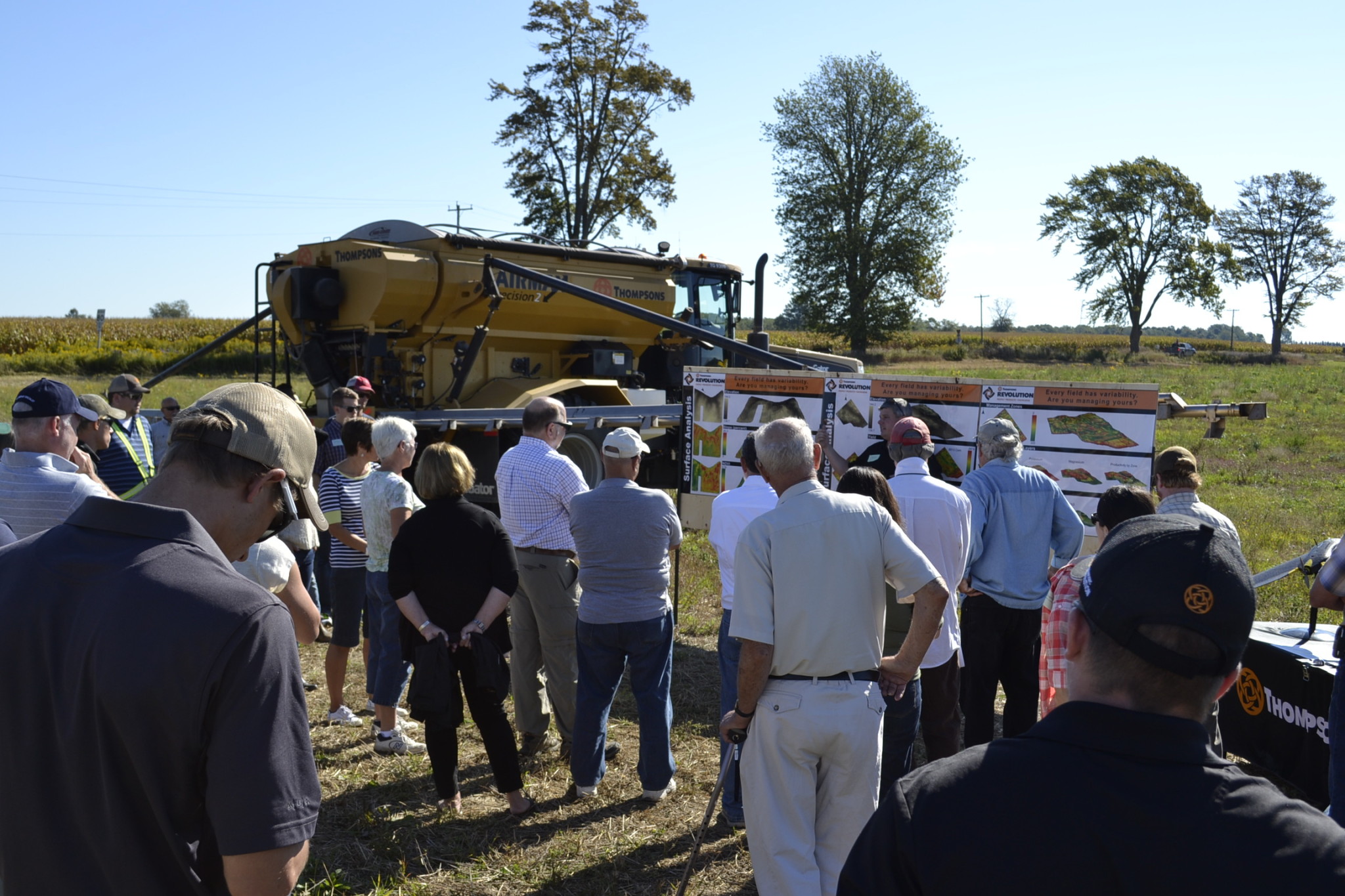
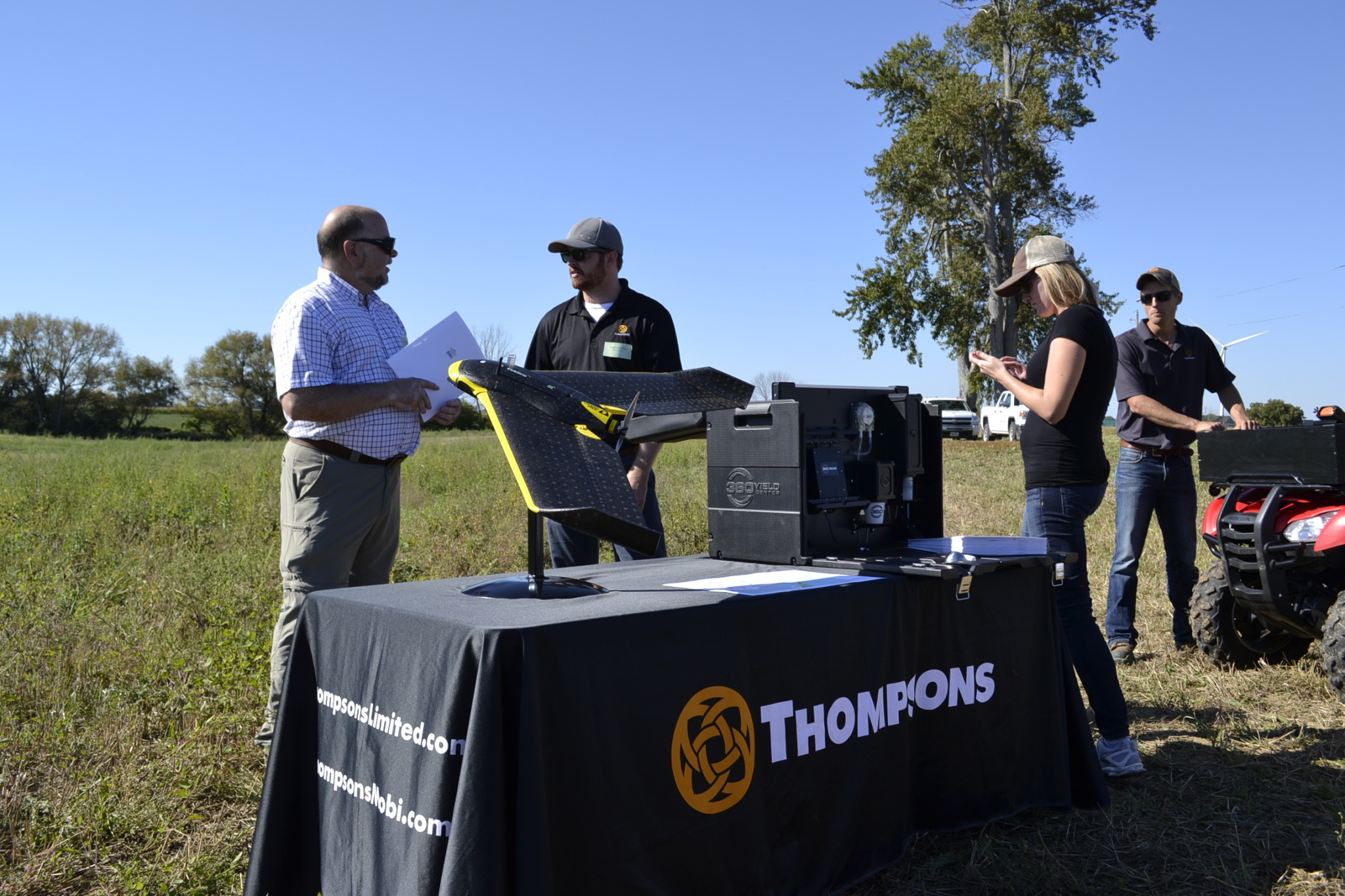
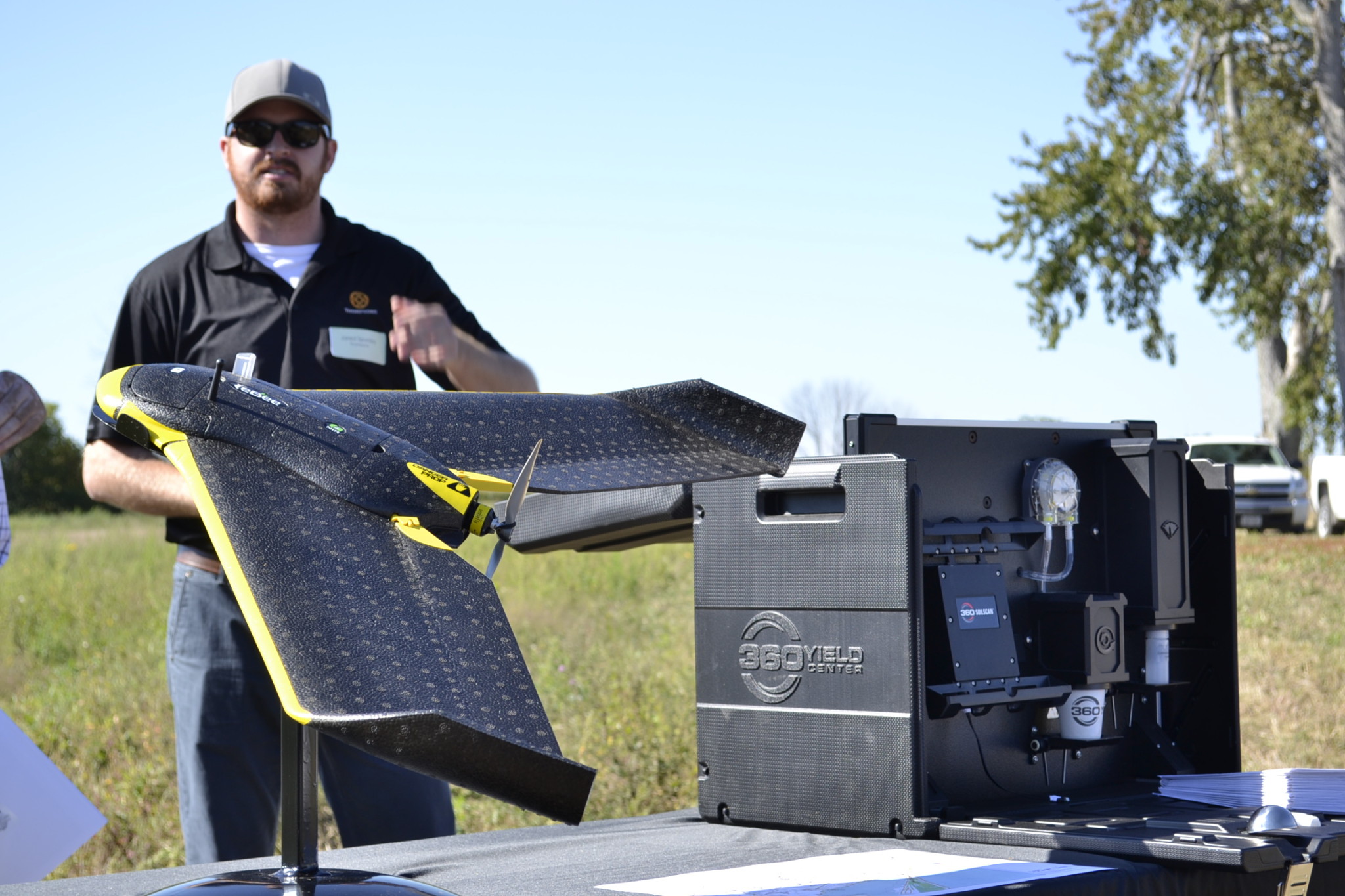
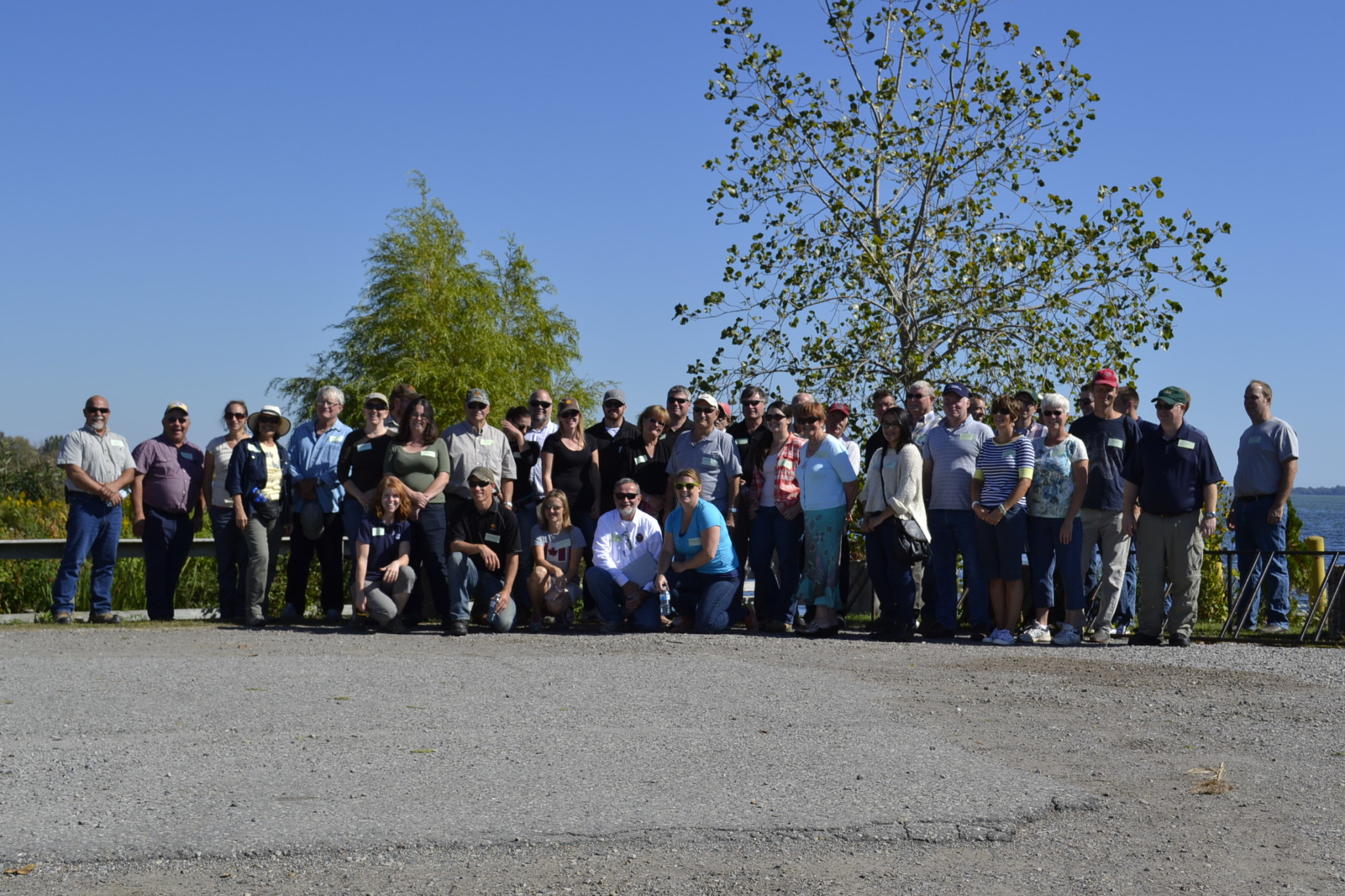
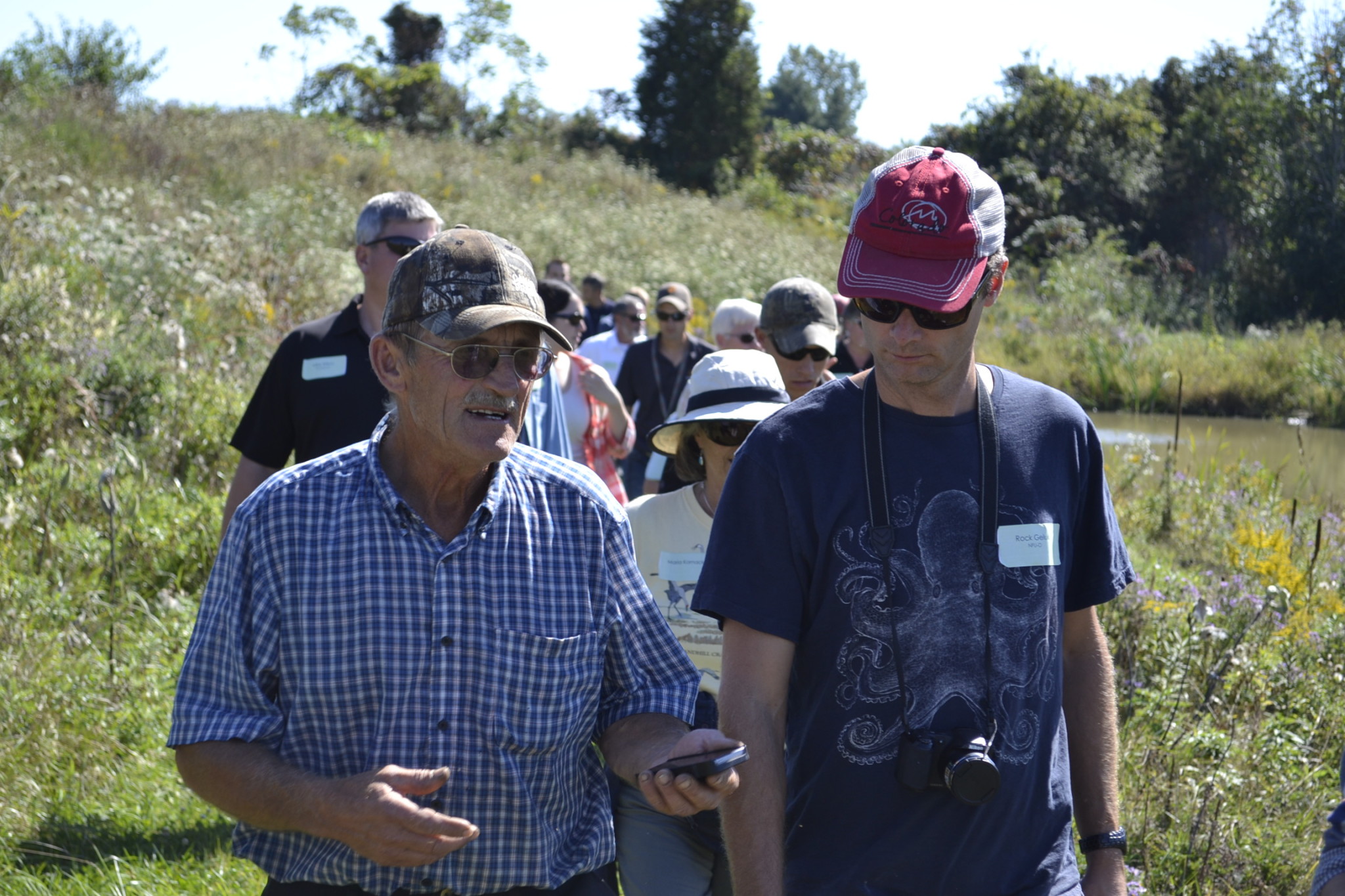
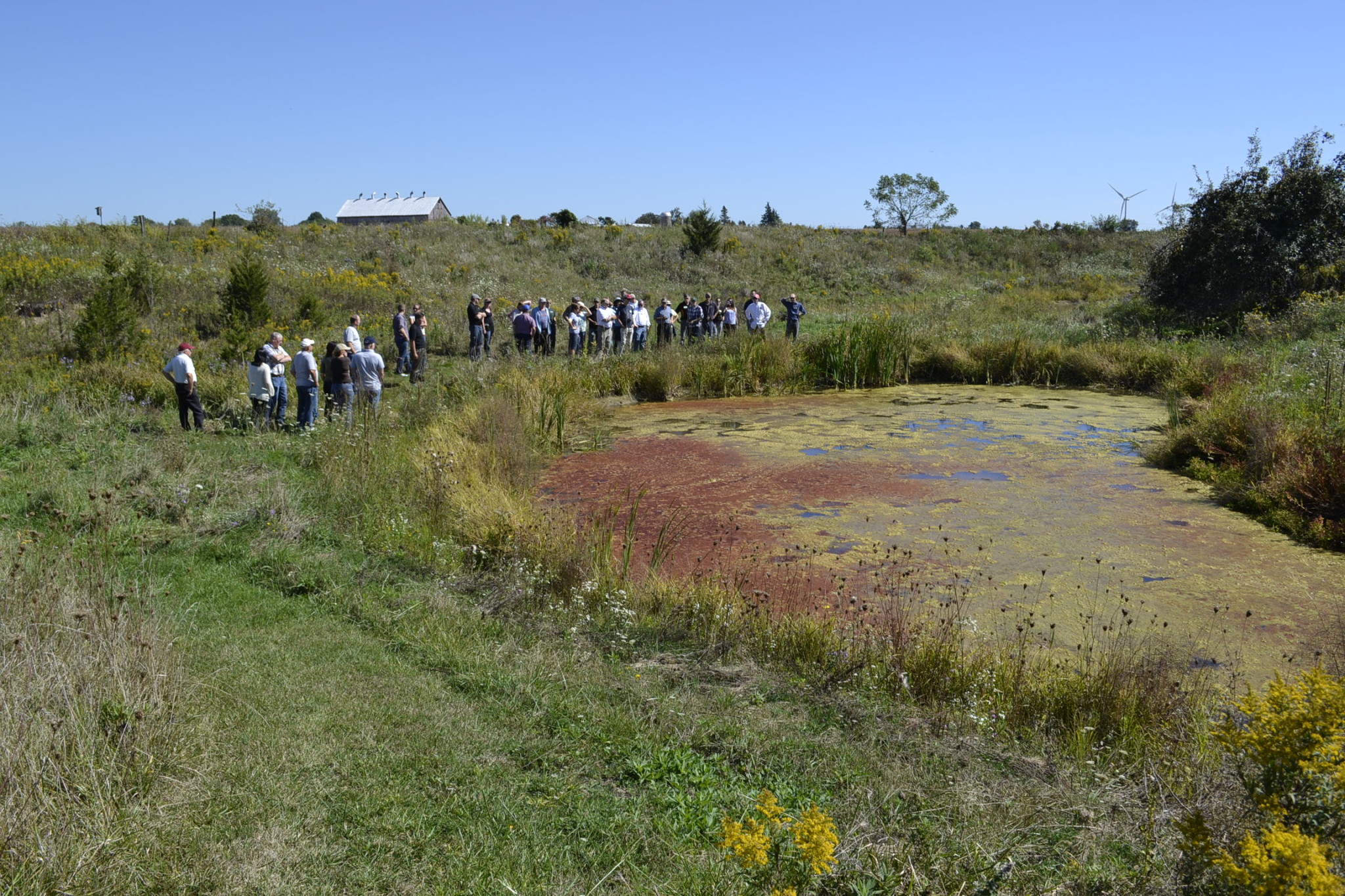
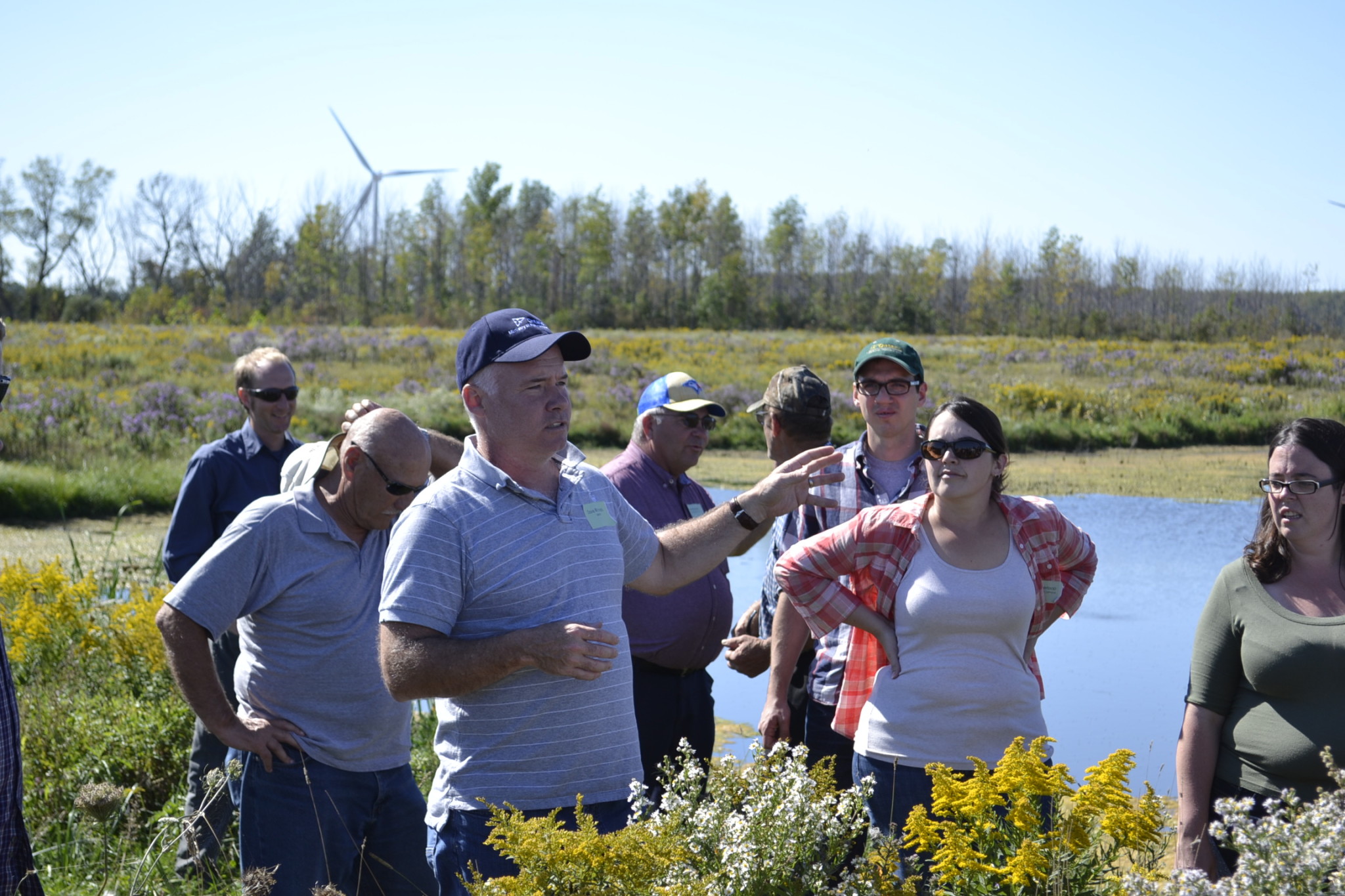
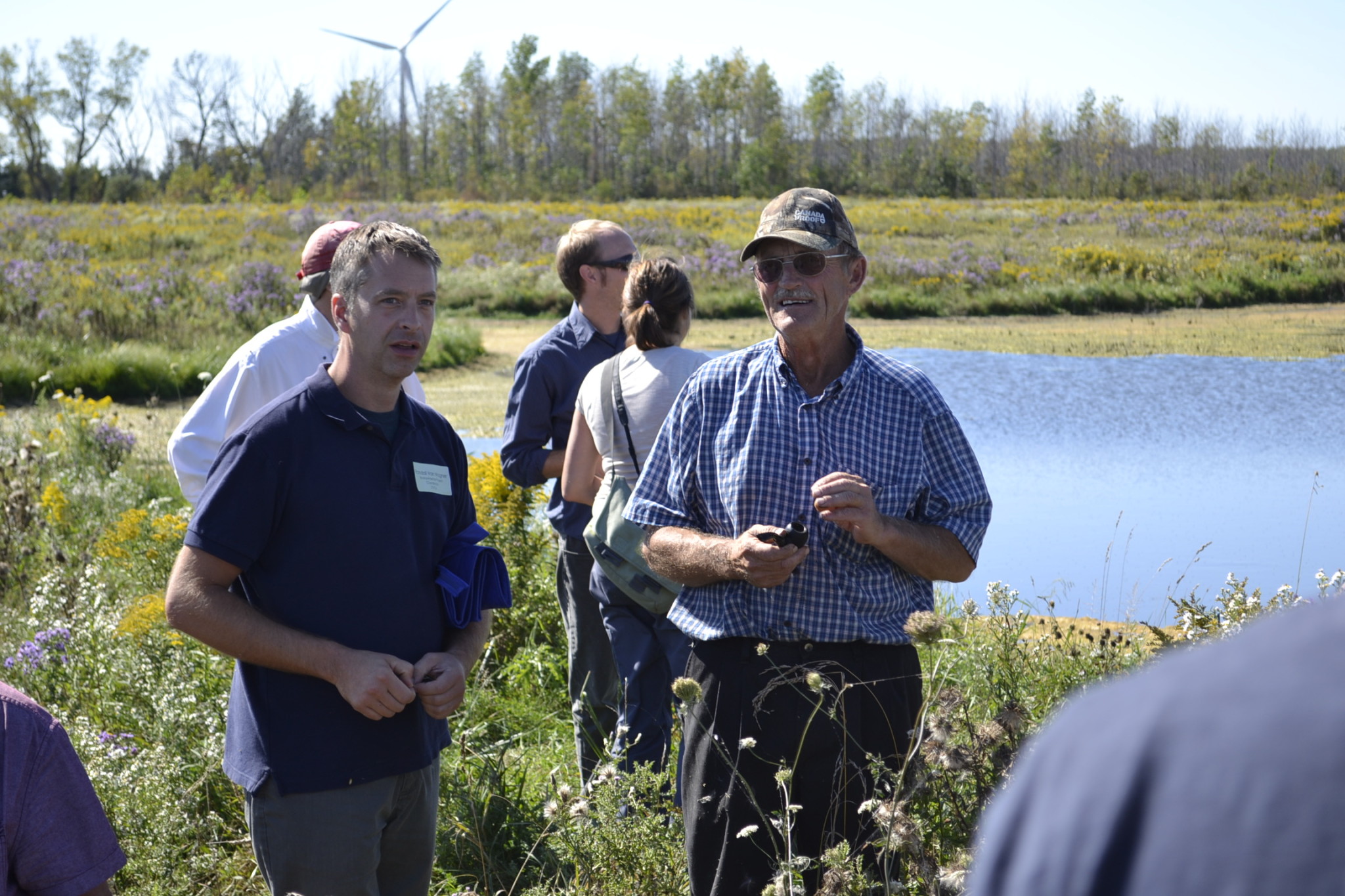
On Wednesday September 23rd approximately fifty people boarded a bus at Rondeau Provincial Park and viewed several retention ponds, grass waterways, catchment basins and naturalized areas. Represented among the tour goers were a diverse gathering of organizations including the Ministry of Natural Resources and Forestry, Ministry of Agriculture Food and Rural Affairs, Ministry of the Environment and Climate Change, Ducks Unlimited, Thompsons Limited, and private landowners and environmental proponents.
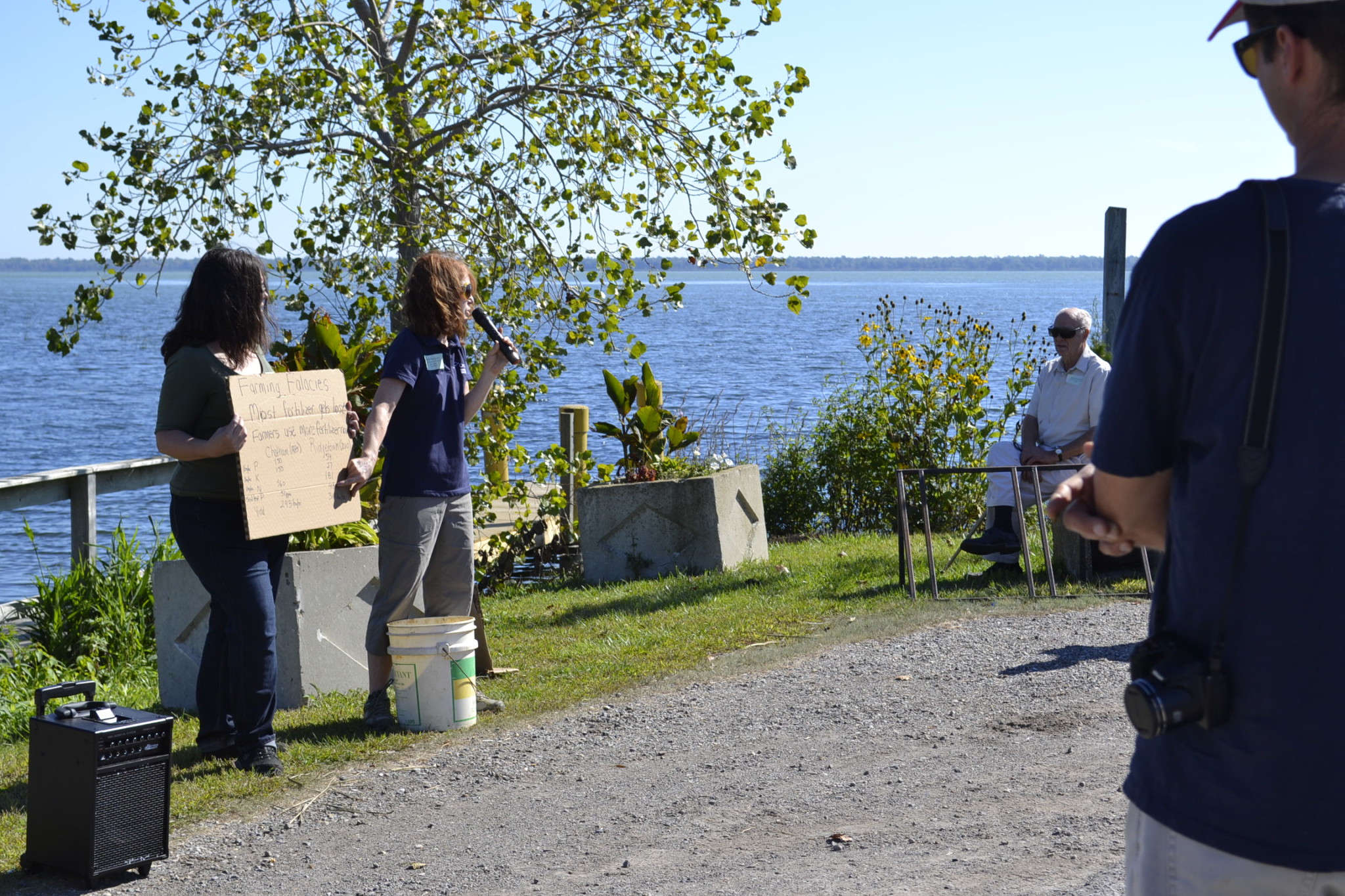
Greg Van Every of the Lower Thames Valley Conservation Authority said the goal of the tour was to “show various land owners and institutions or organizations what we are doing on the landscape with their money.”
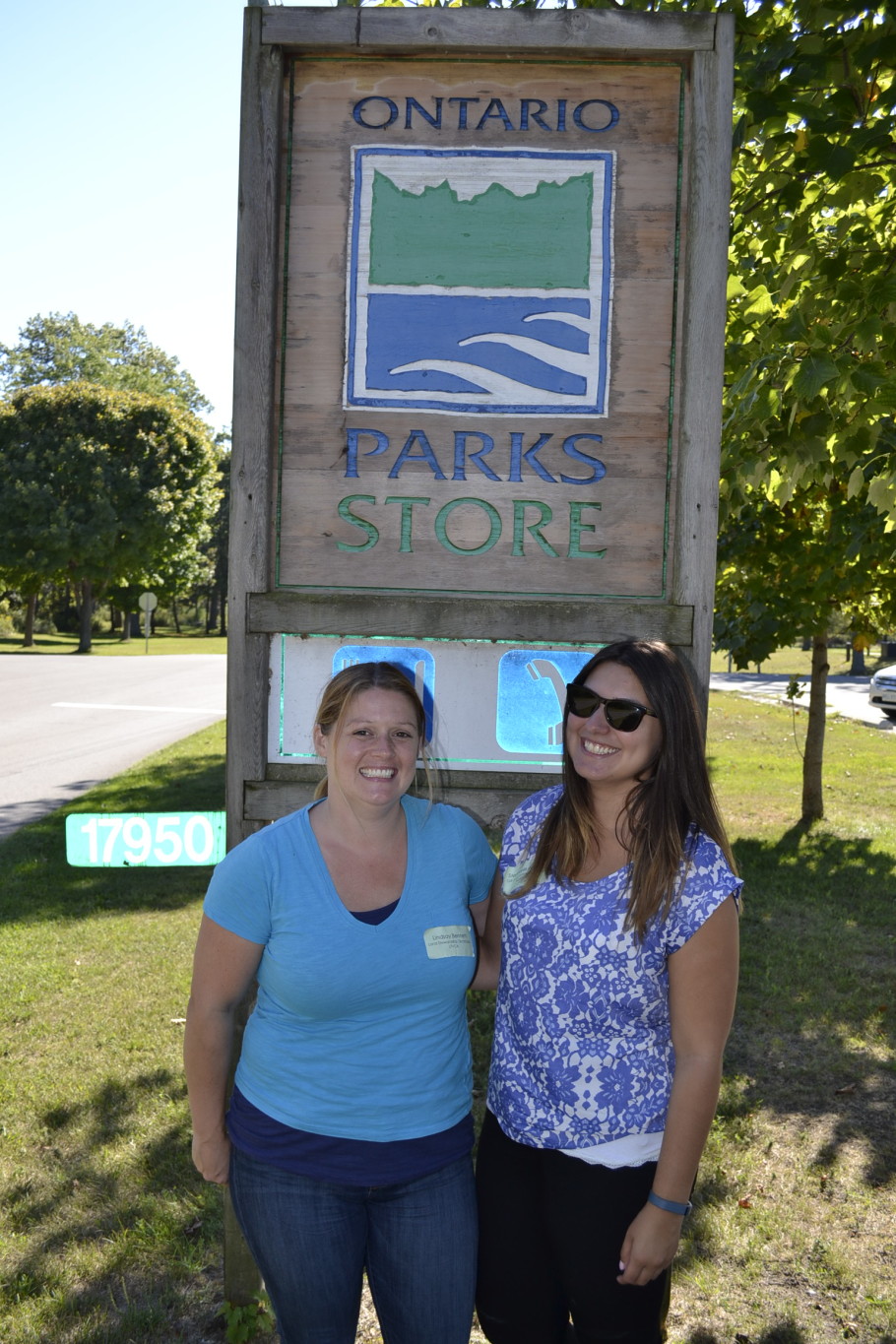
Organizers of the Rondeau Bay Phosphorous Reduction Tour, Stephanie Allison and Lindsay Bennett of the LTVCA called this year’s tour a success.
“People think that it’s a gloomy future for Lake Erie but a lot of people came out of this tour and thought that they felt really optimistic about the potential,” Bennett said.
Bennett said she was happy with the attendance but added, “I would have liked to have seen a few more land owners but we also caught them at a really busy time of year.”
Mike Wilson of Thompsons Ltd. said tours like this are important.
“It helps us all get on the same page,” Wilson said, adding that information needs to flow both ways. “So that the farm customer understands the importance of fertilizer management and the government and the general public understand that the farmers are being as environmentally friendly as they can be.”
WIlson added: “All nutrients need to be placed properly and at the right amount to ensure that we are protecting the environment for one but also ensuring that the farm community stays profitable.”
The first stop on the tour was Keith Maclean’s wetland restoration project where large swaths of phragmites australis, an invasive reed have been successfully managed.
Other stops included the Willow Creek wetland, Roland Farms where a $35,000 nutrient catchment project was recently finished, McGeachy’s Pond, and Sinclair Bush which is forty six hectares of Carolinian forest containing endangered species like winged monkey flower and American ginseng.
The final stop on the tour was the Myslick-Whittington-Rodgers property.
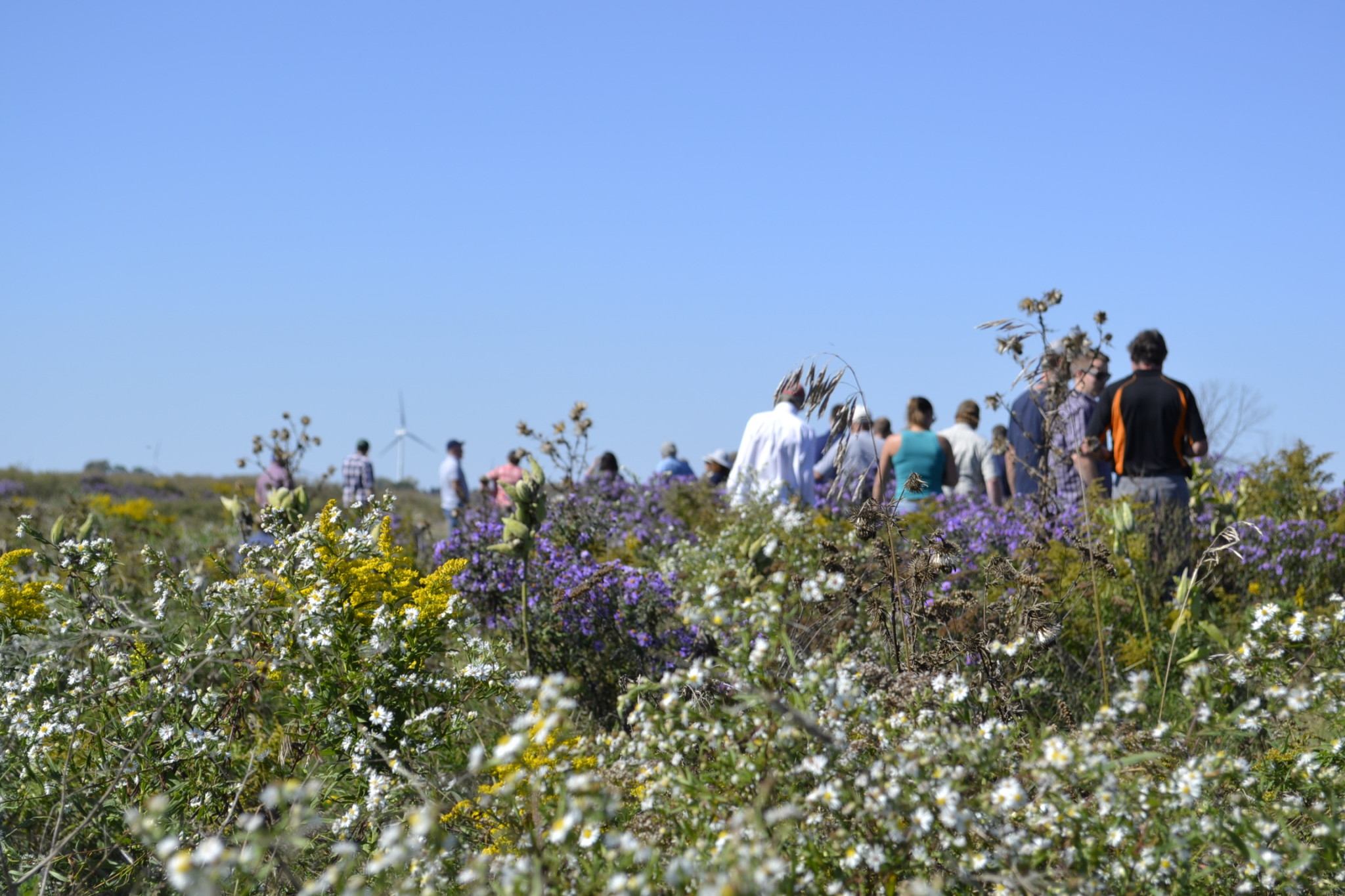
Once stark cow pasture the property is now one of the largest naturalized areas in the Rondeau watershed.
A general sense of optimism, genuine interest and ambition permeated the attitude of tour goers.
All seemed to agree that while there is still work to be done, the opportunities for conservation, reclamation and change are growing as previously disparate communities continue to learn how to cooperate and coordinate their efforts in the interest of mutually beneficial goals.
Here are some photos of the tour, taken by Wesley McDonald: